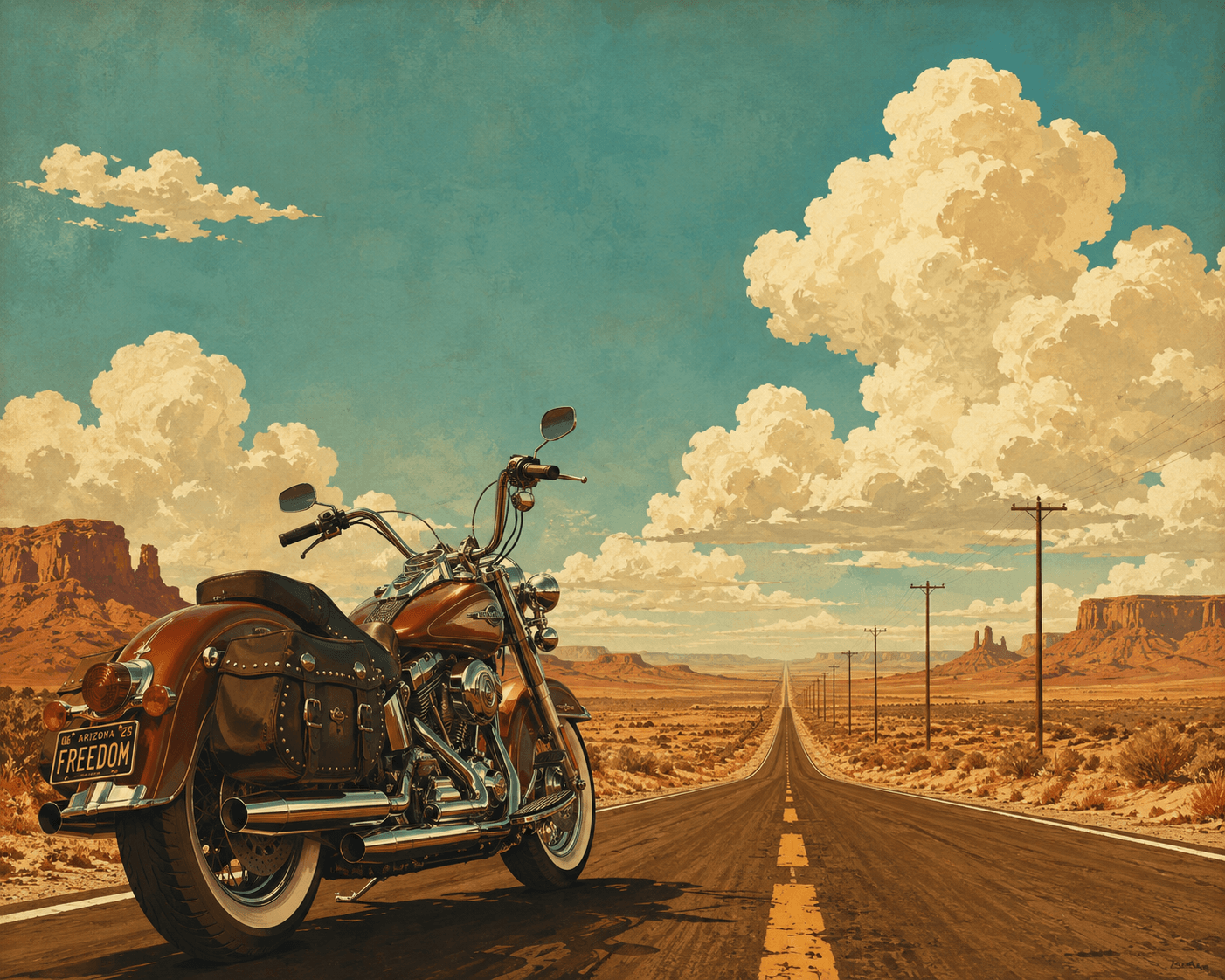
My Road on Two Wheels, Episode 1: Women Riders Have Passed 100,000 — What's Actually Changed?
Now that the number of women riders has topped 100,000, what has changed and what hasn't? A writer who has ridden for 28 years begins this column with the belief that motorcycles belong to anyone who wants to ride them.
KEY TAKEAWAYS
- Making motorcycling genuinely open to everyone requires addressing not only vehicle weight but gear sizing, retail assumptions, and community barriers.
- Avoid narrowing motorcycles by gender; more choices based on body, experience, and use—and safer learning environments—support the next rider.
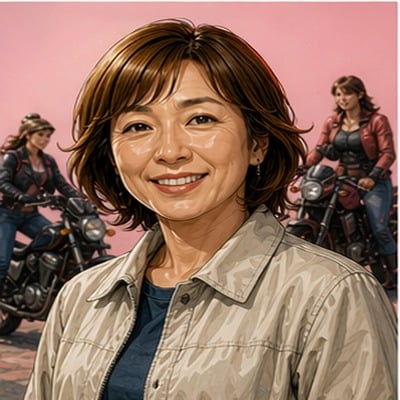
I still remember the sense of freedom I felt back during the motorcycle boom, when I got my license and rode off on a moped for the first time. That feeling of 'a speed that belongs only to me' in that moment hasn't faded, even after all these years. After that, I heard the words 'women aren't cut out for motorcycles' over and over — from friends, from family, from strangers. At first it hurt, but gradually that feeling turned into 'I'll show them.' That's exactly why I keep writing. To start off 'My Road on Two Wheels,' I want to begin with the numbers. There are reports that, by the end of 2025, the estimated number of women in Japan holding a motorcycle license had topped 100,000. I believe that figure isn't just a simple increase — it's the result of something fundamental having changed.
What has changed? What I feel is that the reasons for riding a motorcycle have become more diverse. In the past, women riders needed a certain kind of resolve — the resolve to push back against the looks that said, 'is that really a hobby for you?' or 'isn't that dangerous?' But now we're in an era where motorcycle-camping videos rack up tens of thousands of likes on social media, and women rider YouTubers have subscriber counts in the hundreds of thousands. 'A woman who rides motorcycles' is no longer unusual. I think that reflects a shift in social perception, and that motorcycling itself has become something that belongs to anyone who wants to ride, regardless of who they are. The atmosphere I felt when I started riding — that 'why would a woman ride a motorcycle?' air — must be completely different from what young women riders feel today. I'm genuinely glad about that.
That said, I don't want to unreservedly say things have 'gotten better.' A rise in the numbers isn't the same as the environment around a motorcycle life actually being in place. Even after getting a license, I think many women still hesitate at the stage of buying their first bike. I still hear stories of dealership staff steering women exclusively toward small-displacement models as being 'for women.' The fact that gear and equipment options are still centered on men hasn't changed all that much either. Helmet interior sizing, the finger-length proportions of gloves, the balance of shoulder width and chest room in jackets — design tailored to women's body shapes is progressing, but the range of choices is still narrow. I see the rise in numbers as an expansion of possibility, while building out the actual environment is still only halfway there. This isn't meant as criticism — it's just something I want people to know as a fact. Once you know it, solutions become easier to see.
What I want to do through this column comes down to this: I write to give people a push. I want to write for people who think 'I want to ride but I'm scared,' people who face opposition from those around them, people who don't know where to start. I'll draw generously on my own experience too — the nervousness of riding a big bike for the first time, the regret and the fresh start after a crash, the way I've had to renegotiate my relationship with my own stamina as I've gotten older. I intend to write the real, unvarnished version, not just the pretty parts. My belief about motorcycles is that they belong to anyone who wants to ride — gender, age, and body type have nothing to do with it. But the current environment doesn't automatically make that a reality on its own. That's why I'll keep writing. Rather than just waiting for the day 100,000 becomes 200,000 as a number, I want to stay engaged in a way that meets each person's own feeling of 'I want to ride.' Next time, I'll start with the types of licenses and how to get one — and carefully cover just how many first-step options there are, something that's surprisingly not well known.
There's one more thing I want to say. I want this column to be read by people who don't ride, too. I want it to reach people who think, 'motorcycles seem fun, but maybe they're not for me.' If it can be the spark that makes those people think, 'I'd like to know a bit more,' then I'll consider this column a success. It's less that I want to increase the number of riders, and more that I want to build an environment where anyone who feels 'I'd like to try riding' doesn't have to give up on that feeling. That's my real goal. Motorcycles aren't scary. With the right knowledge and the right preparation, they're a vehicle open to anyone. That's what I mean when I say I write to give people a push. I'll keep proving my belief that motorcycles belong to anyone who wants to ride by continuing to write. And to you, reading this now, I write hoping that someday you too will get to feel, 'I'm glad I rode.'
Sources and references
Public information cited or consulted while preparing this original feature.