My First Motorcycle, Vol. 2: The 'Going Rate' for a First Bike Is Starting to Change
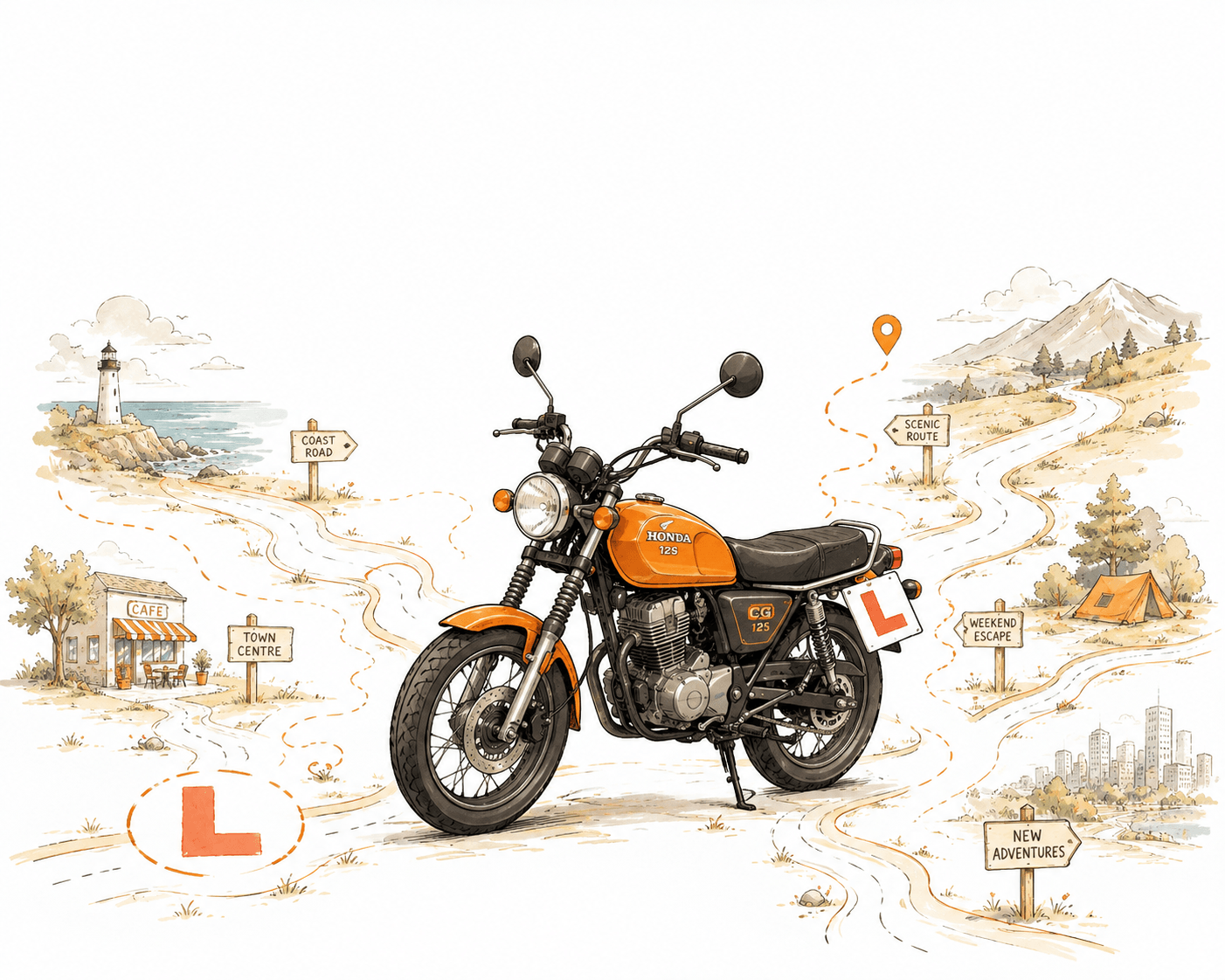
A four-cylinder for ¥600,000, a brand-new classic for ¥500,000 — the conventional wisdom on first-bike pricing is starting to shift. Let's sort out, from a beginner's perspective, how to set a budget and how to spot the reasons behind a low price.
KEY TAKEAWAYS
- Compare a first motorcycle by total budget, including registration, insurance, riding gear, storage, and maintenance—not sticker price alone.
- Lower-priced emerging brands broaden choice, but dealer coverage, parts supply, and resale support reveal what the lower price actually means.
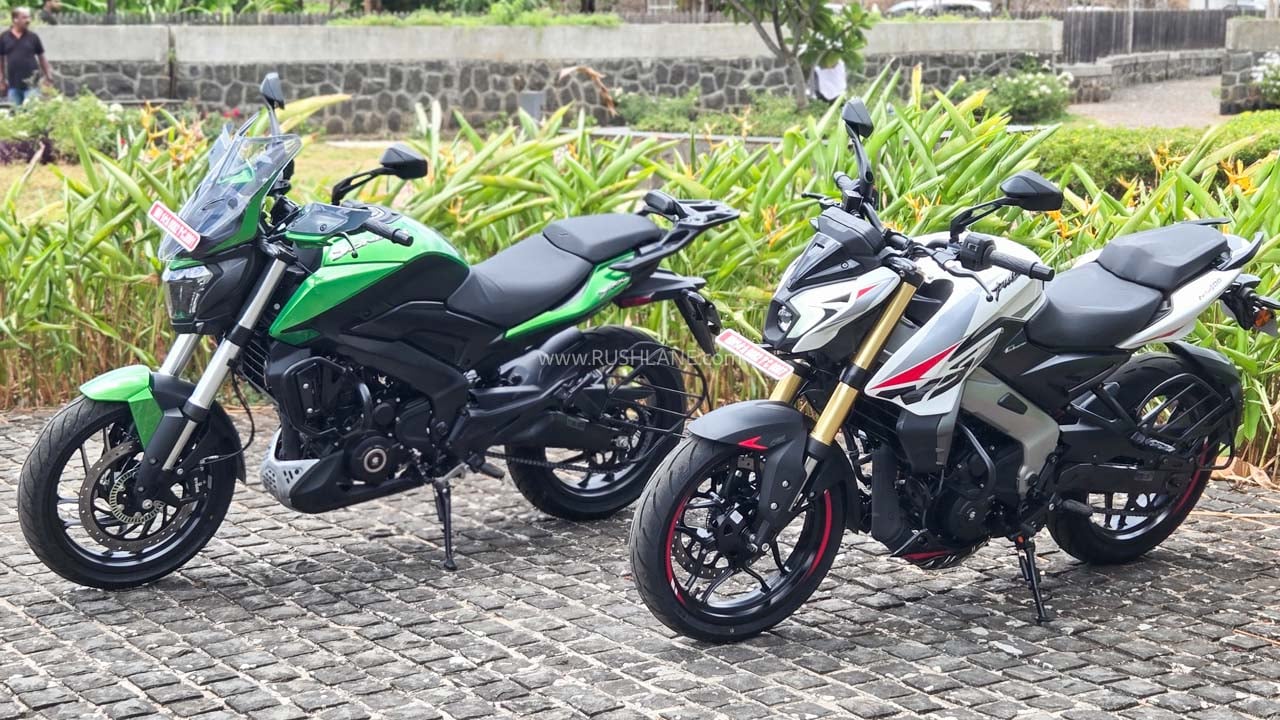
Last time I wrote about the trouble I had getting my license; this time it's the next worry — "how much do I pay for my first bike?" Actually, the going rate on this is quietly starting to shift. The trigger was CFMoto's 500SR, which also came up in our recent editorial roundtable. Honestly, I was surprised too — a four-cylinder engine for around ¥600,000. Royal Enfield is also planning to release a brand-new classic model in India priced around ¥500,000, and the assumption that "new = out of reach" is starting to crumble. So this time, for first-timers, I want to sort out together how to set a budget, and how to spot the reasons behind a low price.
First, the important thing: the vehicle price is a starting point, not the goal. Getting into riding always involves costs beyond the bike itself. A full set of gear including helmet, gloves, and ideally a jacket. Compulsory insurance, plus optional insurance you should absolutely get. Registration fees, and depending on displacement, annual taxes and inspections. Roughly speaking, it's realistic to plan for an extra "several hundred thousand yen" on top of the vehicle price from the start. If you're buying a ¥600,000 bike, brace for the total to run a bit higher. Overlook this and you can end up in the backwards situation of taking delivery of the bike but making do with a stopgap helmet. Gear protects your body, so it should be the very last thing you cut.
Next, how to spot "there's a reason it's cheap." A new manufacturer's low price is, in most cases, a genuine result of corporate effort — differences in labor cost, manufacturing efficiency, and brand premium. But there are costs that are hard for a beginner to see. One is how close a dealer is. Whether there's a shop within your daily life you can turn to when something goes wrong matters just as much as performance for a first bike. Two is parts availability and resale value when you eventually sell. These add up the longer you own the bike. On the flip side, there's also the option of a used domestic bike — the market is well established, with plenty of shops and parts. Whether a new bike's low price or a used bike's peace of mind suits you better is, in my view, best decided by whether there's a shop nearby you can rely on.
Let me run through some rough numbers so this is concrete. Say your budget is ¥800,000. Plan A: a new ¥600,000-class bike. Vehicle ¥600,000 + gear at, say, ¥80,000 + insurance and registration, and you're roughly at your budget's limit. The appeal is the peace of mind of the latest equipment and warranty. Plan B: a domestic used bike for around ¥400,000. With the money saved, upgrade your gear a notch, beef up your optional insurance, and still keep a reserve fund for tip-over repairs. It's worth assuming your first bike will get dropped at some point, so that reserve fund gives more peace of mind than you'd expect. Plan C: start bold with a used small-displacement bike in the ¥250,000 class, and save toward an upgrade in two years. It looks like a detour, but it's actually a solid route — get used to riding and upkeep first, then choose your real target bike. Which is correct depends on the person, but the common trick is deciding that "the vehicle price should be 60-70% of the budget," with the rest for gear, insurance, and a reserve fund. When you get a quote from a shop, always confirm the total out-the-door price and exactly what's included.
Finally, a word for anyone stuck on budget. When I'd just gotten my license, the options felt so limited that it seemed like all I could do was "wait until I've saved enough." But now, the price ladder has finer steps, and the timing to actually ride off has genuinely gotten earlier. I think that's truly remarkable. What matters is not overreaching. Start with a bike you can afford including upkeep costs, and it'll become a long, fun companion. Money planning looks intimidating, but broken down step by step, it's not scary at all. Next time, I'll gently sort through the minimum points a beginner should grasp about optional insurance, a topic I touched on briefly this time. Let's keep working through choosing your first bike together, without rushing.
And, you know, talk about money can feel somehow awkward to bring up with people. But I actually think it's the topic you're most entitled to discuss before you even start. In this column's comments, budget worries are always welcome too. There's no single right amount, but there's always a path to a plan that doesn't overreach. Count it together, and the fear is cut in half. No need to rush. Let's get you closer to your bike, at your own pace. I'll keep running alongside you in this column. Thanks for reading all the way to the end today too. See you next time — I'll keep writing in a way that stays close to your "firsts."
Sources and references
Public information cited or consulted while preparing this original feature.