My Motorcycle Path, Part 2: 'Light' Is Justice — How the New Model Rush Changed the Sales Pitch
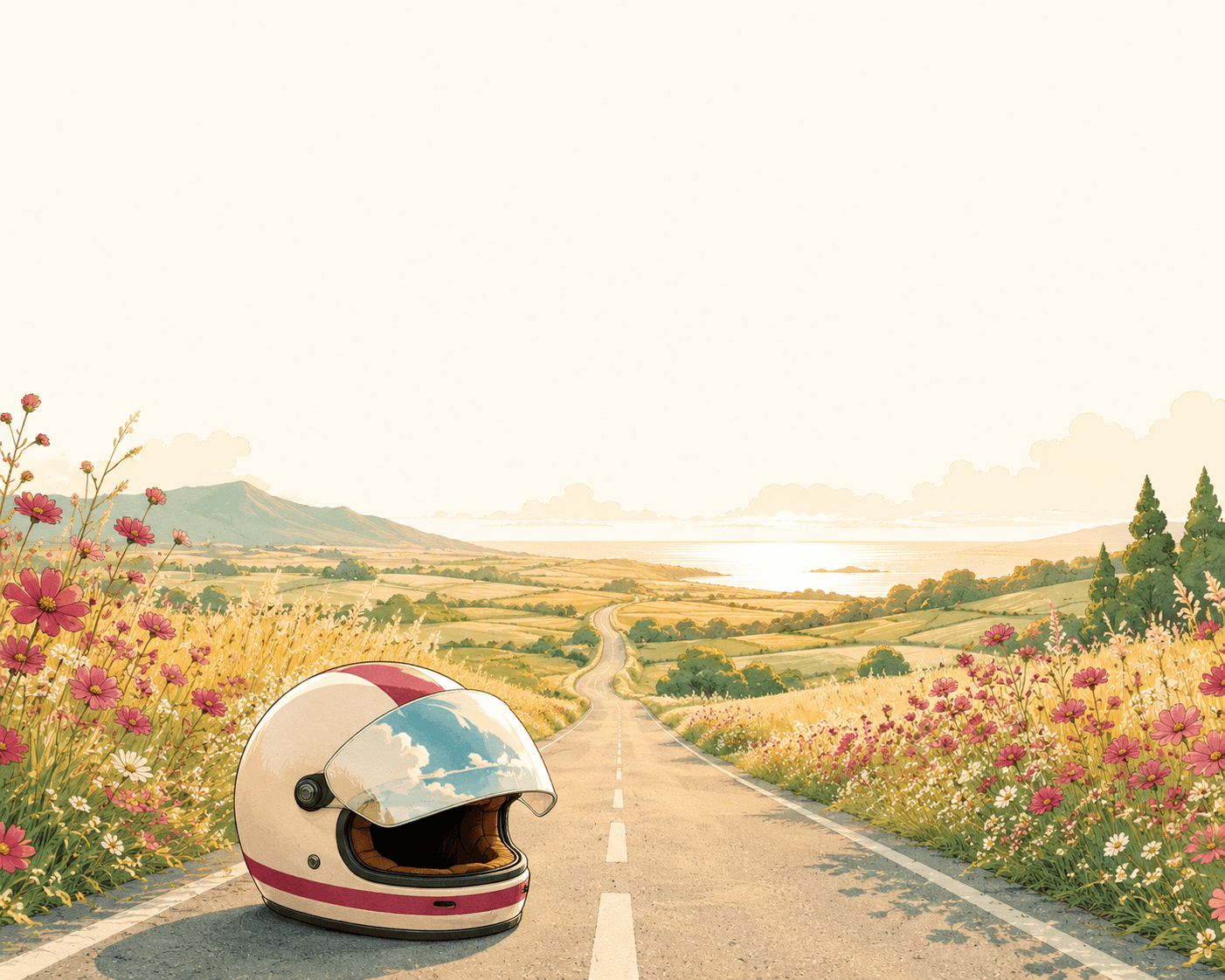
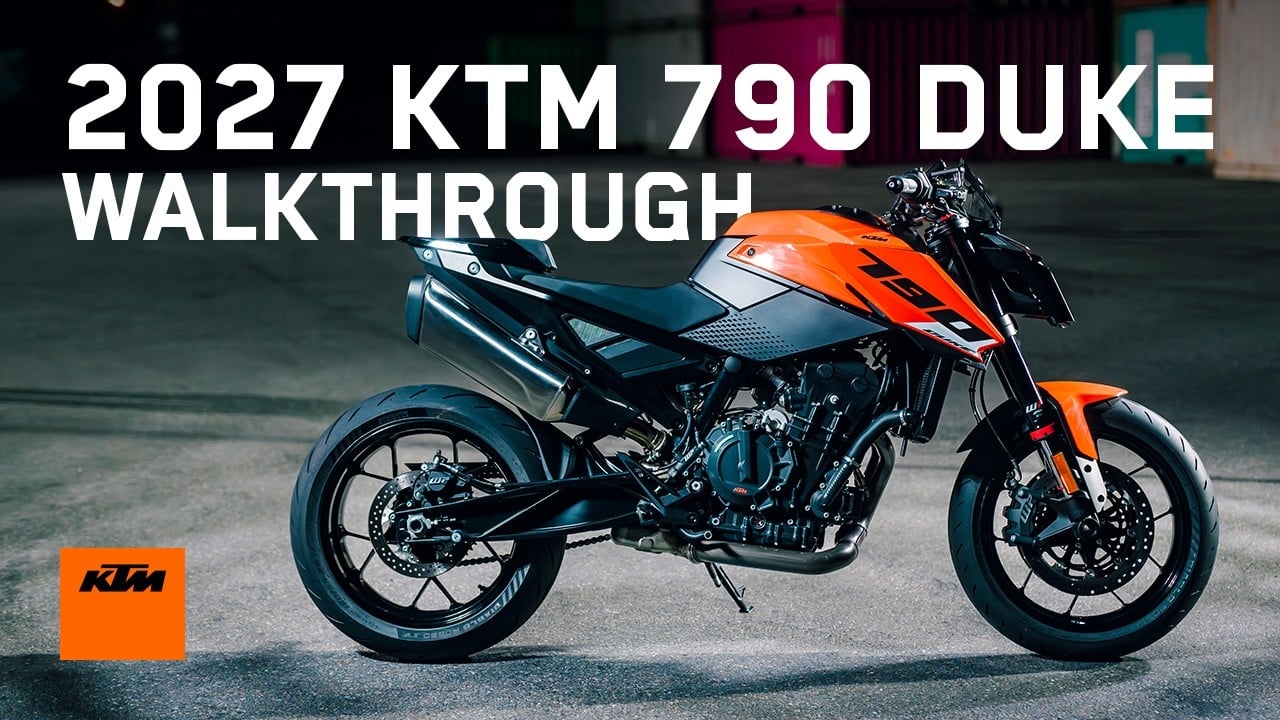
The 185kg 790 DUKE, the 106kg KX327. In the 2026 new-model rush, 'light' and 'easy to handle' have become standard words in manufacturers' pitches. Writing, from my own perspective, about who this shift is a tailwind for.
KEY TAKEAWAYS
- Low weight, manageable power, and accessible seat height are not beginner-only traits; they help riders of different bodies and ages keep riding.
- Comparing curb weight, seat height, centre of gravity, and low-speed handling alongside power makes personal fit easier to judge.
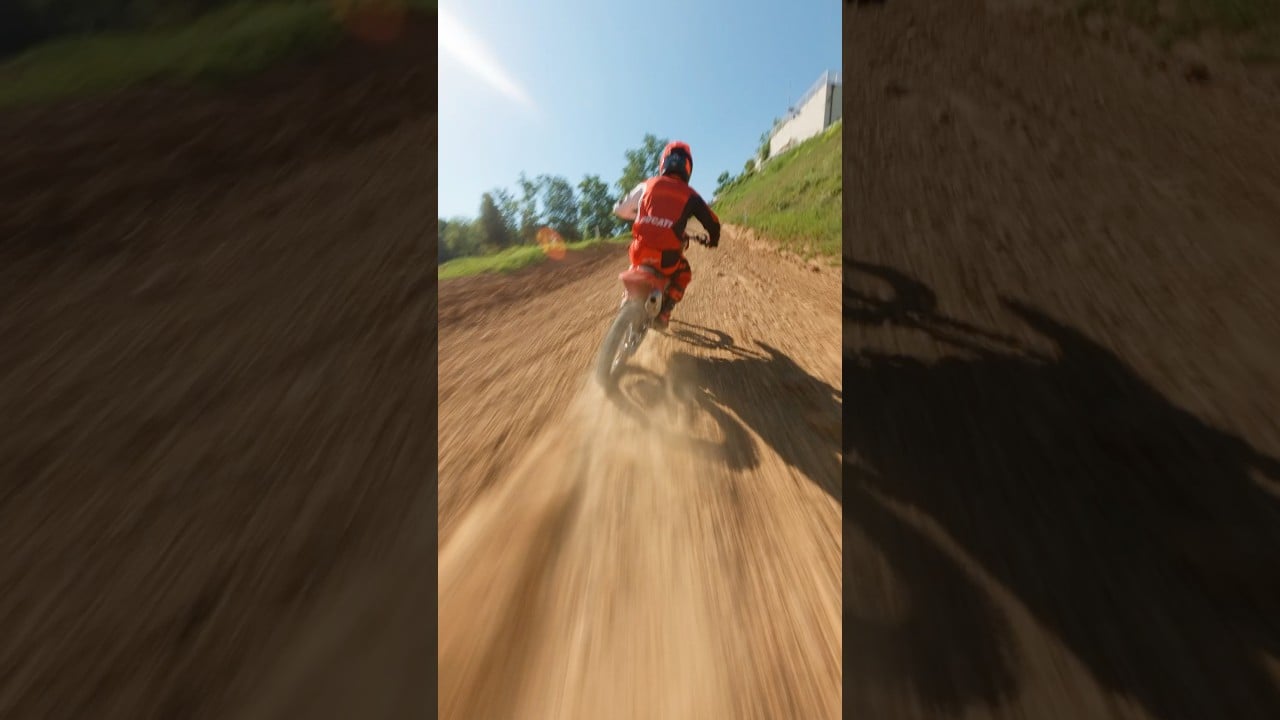
I was looking over new-model press materials when I stopped short. The words lined up were completely different from when I got my license. Top speed, peak output, class-best — the star of the old sales pitch was always "strength." But in the 2026 new-model rush, phrases like "185kg curb weight," "refined ease of handling," and "rider-first philosophy" now stand proudly in the headlines. KTM's new 790 DUKE puts the number "185kg" front and center; Kawasaki's two-stroke KX327 boasts a lightness of about 106kg. We've entered an era where a lightness figure gets the same billing as a horsepower figure. This time, I want to talk about this quiet but significant shift.
Why is this such a big deal? Because a motorcycle's weight is the first gate that decides who gets to ride it. Handling it to a stop, the fear of a tip-over, whether you can pick the bike back up if it falls. Catalog horsepower only matters once you're riding — weight matters before you even swing a leg over. And the people this gate has shut out have been smaller-framed riders, those without much confidence in their strength, older riders — in short, the many would-be riders who fall outside the "average adult male." I myself lost count of how many times I was told back then, "that one's too big for you." The frustration of the bike you want and the bike you can actually ride being two different things is something only people who've lived it really understand.
Behind this shift lies market reality. The average rider age has risen, and more veteran riders are feeling their physical strength decline. Women riders have steadily increased, widening the base of license holders. Returning riders, still carrying the old sensations, swing a leg over a heavy bike and find themselves faltering. In other words, "light and easy to handle" is no longer a beginner's compromise — it has become a demand at the very center of the market. Manufacturers' engineers now discuss seat height and steering angle on the very first page of their press materials. As we discussed in our recent editorial roundtable, behind that "185kg" figure is a clear design intent: "we want you to choose this bike for its ease of handling." If you only hold the old yardstick of an era defined by strength, this shift might look like regression. But to me, it looks like evolution — the bike stepping toward the rider.
I also want to point out that "ease of handling" can't be measured by weight figures alone. Even at the same weight, a lower center of gravity makes handling far easier. A wider steering angle means you can turn around in a parking space without breaking a sweat. A narrower seat shape means your feet reach the ground more solidly than the seat-height number alone would suggest. Recent press materials have started including these "craft behind the numbers" details too. More manufacturers now offer factory low seats and suspension adjustment kits, letting you tailor the bike to your build at the point of purchase. What makes me happy is that these options are becoming standard menu items rather than "special accommodations." In the past, the very idea of fitting the machine to the person was scarce — the rider was the one expected to put up with it, on the assumption that "you'll get used to it eventually." Solving it through adjustment rather than getting used to it — that shift might be exactly what I wish someone had told me back on that day at the riding school, struggling to plant my feet. If anyone reading this is torn at a dealership right now, please don't give up based on the catalog weight alone — swing a leg over the actual bike, and be sure to ask staff about the room for adjustment.
To be clear, lightness isn't just for beginners or women. A light bike is fun for anyone to ride. Direction changes are crisp, fatigue is lower, and it goes along honestly with exploring the limits. There's an old saying that even veterans eventually come back around to lightness. That's exactly why I want to peel off the label "light = for beginners" at this point. Let each rider choose a bike they can handle with their own body, and enjoy it without reservation. This shift in the language of the catalog is a tailwind pushing that obvious truth forward. Next time, I want to write about the real meaning of "foot reach," a topic being reexamined amid this trend, mixing in some memories from my own riding-school days. Motorcycles belong to everyone who wants to ride them.
If you're reading this column and happen to be standing at a dealership right now, torn over a decision, I'd be glad if today's story comes to mind. That weight figure is starting to change from a wall meant to keep you out, into a yardstick to help you choose. Please, go ahead and catch that tailwind with confidence. May your choice of a bike be decided by your own body and heart, not anyone else's opinion. Somewhere at a dealership today too, a new motorcycle journey is beginning.
Sources and references
Public information cited or consulted while preparing this original feature.