Asia's Motorcycle Economy, Part 1: India Has Become the World's Largest Motorcycle Market — What Comes Next?

22 million units a year — now that India has become the world's largest motorcycle market, what lies beyond that milestone? A Mumbai-born expert on Asian markets kicks off this series by reading the numbers alongside lived, on-the-ground experience.
KEY TAKEAWAYS
- India’s domestic two-wheeler sales reached 21.7 million units in FY2025-26, giving the market global influence over demand and product strategy.
- Royal Enfield’s middleweight strategy and broader export growth show value competition expanding beyond price even in a volume market.
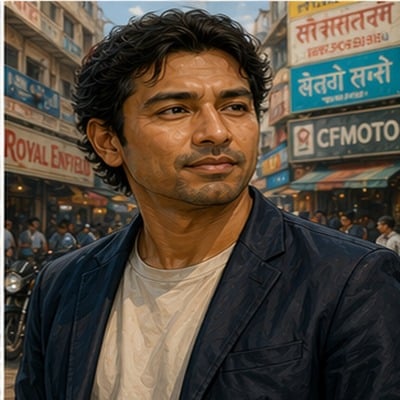
I grew up in Mumbai, where motorcycles were simply part of life. The Hero Splendor weaving between cars during the morning commute rush, the street-side mechanics fixing bikes on the roadside, a Royal Enfield rider striking up a conversation mid-journey — these were all everyday scenes from the city where I grew up. I'm based in Tokyo now, but I feel firsthand how the motorcycle markets of India and Southeast Asia are becoming the center of the world. As I kick off this series, "Asia's Motorcycle Economy," let's start with the numbers. In 2025, India's motorcycle market recorded annual sales of roughly 22 million units. That's about a third of the entire global motorcycle market. China, the US, Japan — none of these markets come close to India's scale. What the numbers show is that the "center of gravity" of the global motorcycle industry is shifting.
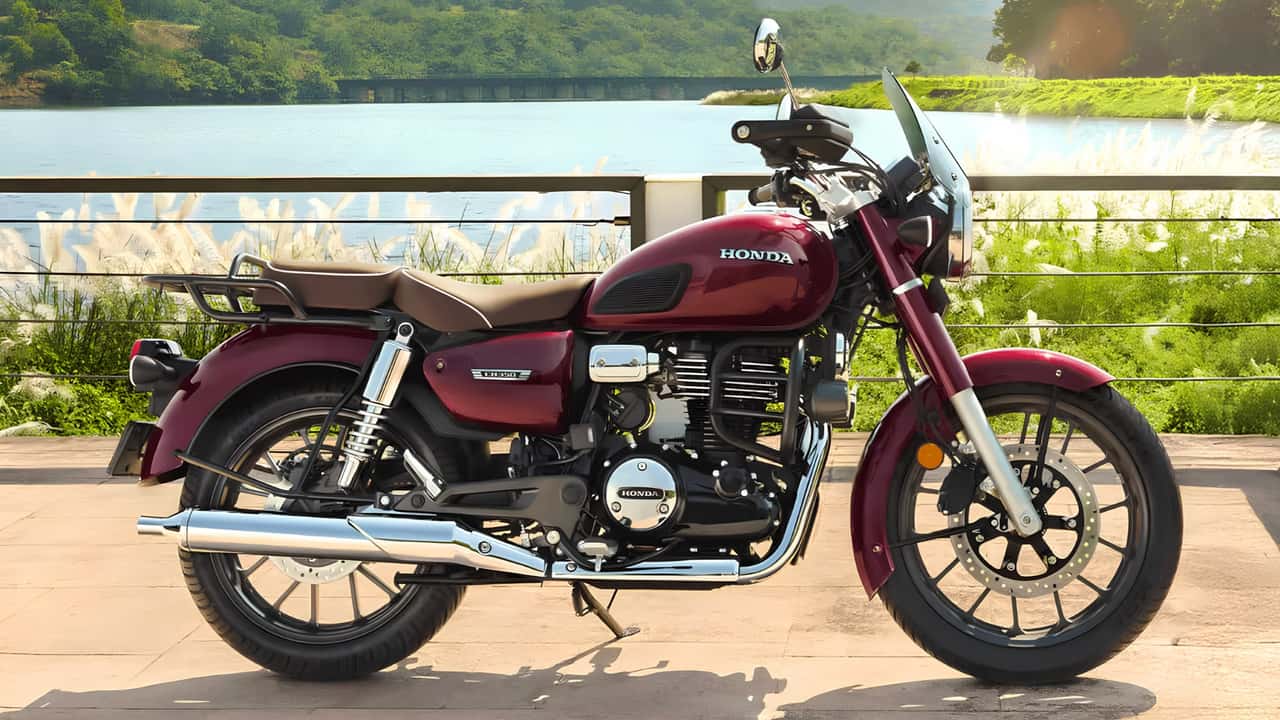
From a market perspective, India's motorcycle market can't be explained by sheer size alone. What the numbers reveal is the diversity of consumption patterns and the speed of change. In India and Southeast Asia, motorcycles still overwhelmingly serve as basic transportation infrastructure. In both cities and rural areas, motorcycles are a means that supports people's daily lives. But within that, growth in the premium segment has become pronounced. Royal Enfield's international success is a symbolic case in point. The fact that premium models of 350cc and above have taken hold in a market once dominated by 150-200cc bikes reflects both the rising purchasing power of the middle class and a shift in how people value motorcycles. When I lived in Mumbai, young people dismissed Royal Enfield as "heavy and old-fashioned." Now it's become the premium brand of choice for young urban professionals. From a market perspective, this shift is highly telling.
In India and Southeast Asia, the pattern of EV adoption is also unfolding differently than in the West or Japan. As of 2025, electric scooter adoption in India is advancing rapidly, and in urban commuting use in particular, the pace of electrification is outstripping expectations. What the numbers show is that this shift is being driven not by subsidy dependence, but by a genuine improvement in cost competitiveness. Domestic manufacturers like Ola Electric and Ather Energy have succeeded in lowering mass-production costs, narrowing the price gap with gasoline scooters. In India and Southeast Asia, consumers are extremely price-sensitive. Once the price gap closes, the pace of transition is remarkably fast. From a market perspective, this is both a threat and an opportunity for Japanese manufacturers. Honda, Suzuki, and Yamaha all have large-scale production bases in India and are accelerating their entry into the local EV market. I believe how this competition plays out will largely define the structure of the global motorcycle industry from 2026 to 2030.
When viewing Asian markets from Japan, there's a perspective that's easy to overlook: cultural context. Looking only at the numbers, the Indian market can look like a "market of volume." But in reality, riders in Mumbai and riders in Chennai want completely different things from their motorcycles. The relationship people have with motorcycles also differs greatly between the rural north and the urban south. Lump it all together as "the Indian market" while ignoring this diversity, and you'll misjudge it. I like to think that my Mumbai roots give me a feel for that context.
What I want to convey through this series, "Asia's Motorcycle Economy," is the fact that trends in the massive markets of India, Southeast Asia, and China are shaping the future of the global motorcycle industry. To understand how Japanese manufacturers will move, and how European brands view the Asian market, we first need to understand the data and structure of these markets. I'll bring you that perspective, combining data with lived, on-the-ground feel. Next time, I'll cover the Southeast Asian market, focusing especially on electrification trends in Indonesia and Vietnam. What the numbers show is that this region is the next frontier.
One more thing I want to add. Data on the Indian and Southeast Asian markets can vary significantly depending on the source. In this series, I'll make an effort to reference multiple sources — official manufacturer announcements, industry association statistics, and reports from local media — and to clearly state where each figure comes from. From a market perspective, ensuring data quality is the first step toward accurate understanding. Because the pace of market change in India and Southeast Asia is so fast, it's not unusual for last year's numbers to already feel outdated this year. That's exactly why I think there's value in delivering regular updates. The trends in this market are directly connected to the future of the motorcycles you all ride in Japan. Let's keep following it together.
Sources and references
Public information cited or consulted while preparing this original feature.