Asian Two-Wheeler Economics #3: Bajaj Exports More Than It Sells at Home — India Turns From Market Into Export Base
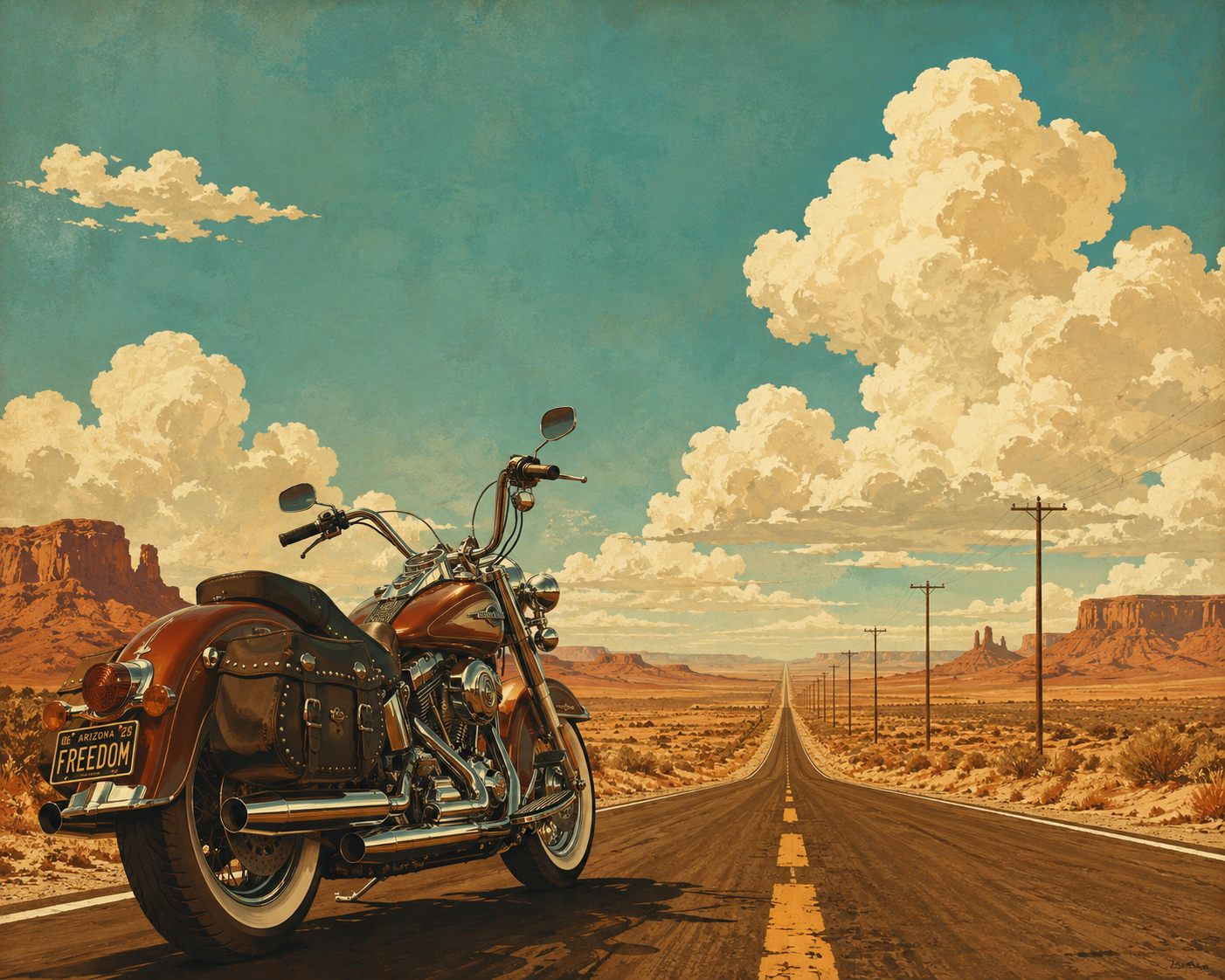
India's two-wheelers in July 2026: Hero leads at home, but add exports and TVS takes first, while Bajaj ships 222,972 abroad against 165,747 domestically. Reading India's shift from market to export base through the numbers.
KEY TAKEAWAYS
- India's six major two-wheeler makers sold a combined 2,329,424 units in July 2026 including exports, up 22.48% year on year. Hero MotoCorp led domestically with 501,403 units, up 21.58%.
- By total sales including exports, TVS takes first place with 603,138 units (up 37.45%), ahead of Honda at 542,934 and Hero at 533,416 — reversing the domestic ranking.
- Bajaj Auto exported 222,972 units against 165,747 sold domestically, with exports exceeding home sales. By Motilal Oswal's tally, Latin America accounts for about 35% of shipments and Africa about 30%.
- Royal Enfield sold a strong 105,317 units domestically (up 38.11%), but July exports came to only 12,915 units, and its June exports fell 12% year on year.
In episode one I wrote about volume — India becoming the world's largest two-wheeler market. In episode two I wrote about quality, with CFMoto's move into the liter class. Episode three is about the exit. The July 2026 sales figures for India's two-wheeler makers are now in, and if you read only the domestic league table, you will miss half of what is happening.
Start with domestic sales. In July, Hero MotoCorp led with 501,403 units, up 21.58% year on year, followed by Honda at 476,436 and TVS at 437,394, up 41.68%. Bajaj Auto posted 165,747 units, Suzuki 123,216 for its best month ever, and Royal Enfield 105,317, up 38.11%. Across the six major manufacturers the combined total including exports was 2,329,424 units, a 22.48% increase year on year. The domestic market is, by any reading, in good health.
Reorder the same companies by total volume including exports, however, and the rankings change. TVS takes first place with 603,138 units, up 37.45% and its highest monthly figure on record. Honda follows at 542,934 and Hero at 533,416. Hero, first at home, drops to third overall. What the numbers show is that the era of measuring an Indian two-wheeler manufacturer by its domestic market alone is coming to an end.
The most extreme case is Bajaj Auto. Against 165,747 units at home in July, exports came to 222,972. The company sells more abroad than it does domestically. The destinations are concentrated: by Motilal Oswal's tally, Latin America accounts for roughly 35% of shipments and Africa around 30%. TVS exports are substantial as well at 165,744 units — close to the size of Bajaj's entire domestic business. In market terms, both companies are now Indian firms and Latin American and African firms at the same time.
Let me insert one caution about handling these numbers. The companies do not report on a common basis. Bajaj's figures include the Chetak electric scooter and its KTM and Triumph models, while TVS, the largest player in India's EV market, does not fold its electric scooters into these totals. A straight side-by-side comparison is therefore already an interpretation. In market terms, the composition — where each company actually sells — is worth more than the ranking itself.
This export growth is happening for reasons that have little to do with the motorcycles themselves. In Africa, a long-running dollar shortage has eased, letting local importers resume placing orders. In Latin America, retail financing has recovered, and Bajaj has invested in local assembly in Brazil. The easing of shipping disruption originating in West Asia helped as well. June exports rose 49% year on year at Bajaj, 48% at TVS, 47% at HMSI, 33% at Hero and 12% at Suzuki. Royal Enfield alone fell, by 12%.
Nor is this a one-month fluctuation. Across the April–June first quarter, export growth ran at 63.3% for Hero MotoCorp and 52% for Bajaj — the same direction over the full quarter. At home, internal-combustion sales firmed up modestly across the board ahead of the festive season. A following wind on exports arriving at the same time as steady domestic demand: that is the real shape of July. Set Honda's 66,498 exports, Hero's 32,013 and Suzuki's 19,769 alongside them, and how far Bajaj and TVS stand apart becomes clearer still.
Here is my own reading. "The world's largest two-wheeler market" is no longer a sufficient description of India. It is also a manufacturing base for motorcycles aimed at emerging markets, and an export hub. Even the word "strong" now covers two different things, and next year will look entirely different for a company growing on domestic demand, like Royal Enfield, than for companies whose results turn on foreign exchange and shipping, like Bajaj and TVS. There is a lesson here for readers in Japan as well. The Asian-built two-wheelers arriving in the Japanese market from here on were not designed for Japan — they were tested first on the roads of Latin America and Africa.
Exchange rates and currency availability, factors with nothing to do with how a motorcycle rides, are moving these sales figures. Which also means that when those factors swing the other way, the numbers will fall with the same momentum. That is why, from next month on, this column will read the export column before the domestic league table.
Sources and references
Public information cited or consulted while preparing this original feature.