Is an EV Motorcycle Worth Buying? Part 3: A ¥480,000 Cap Doesn't Make Electric Cheaper
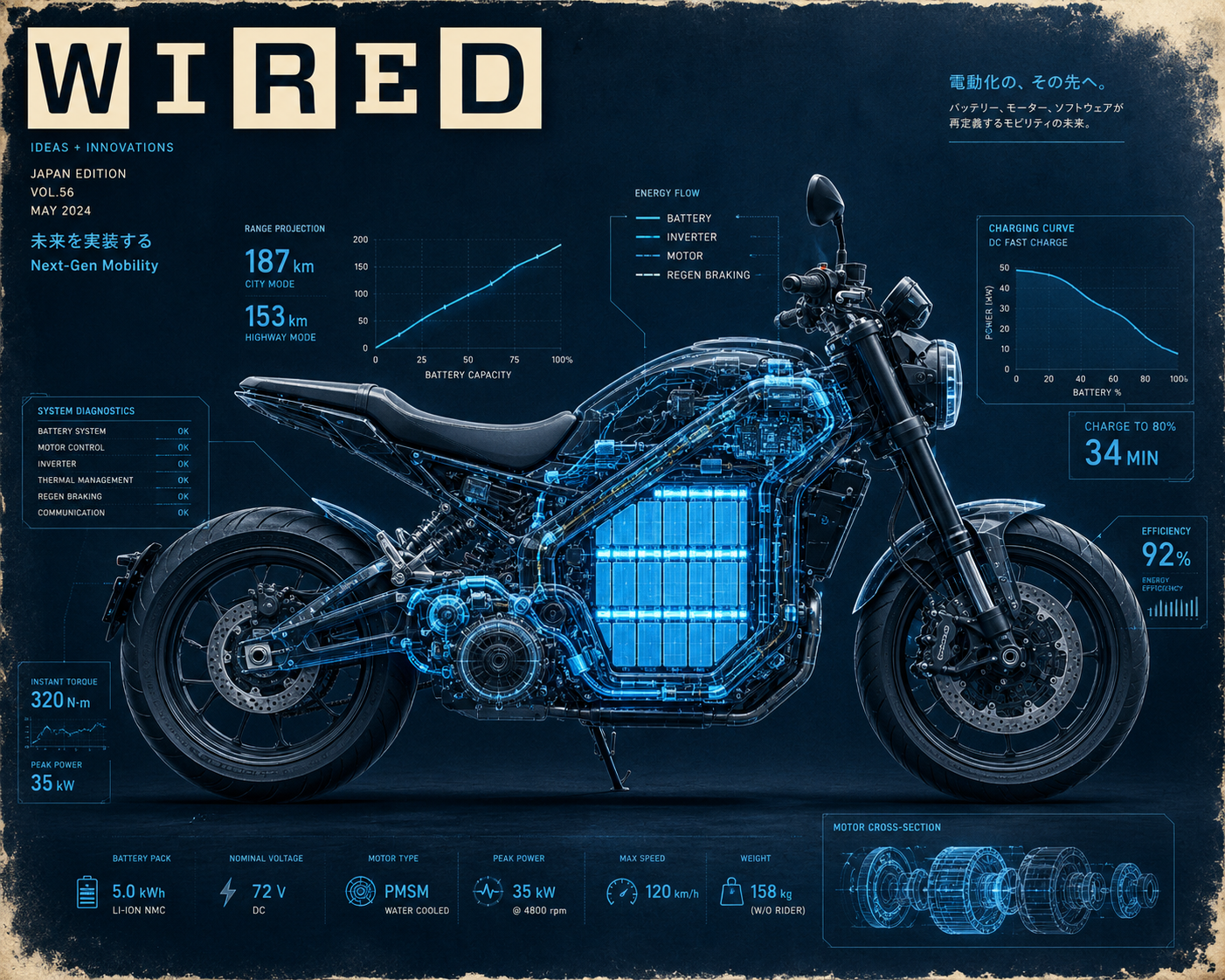
Tokyo's EV motorcycle subsidy caps out at ¥480,000. But read the formula closely and you'll see the program isn't designed to make electric bikes cheap — it's designed to erase the price gap with gasoline models. Here's when the numbers actually favor buying.
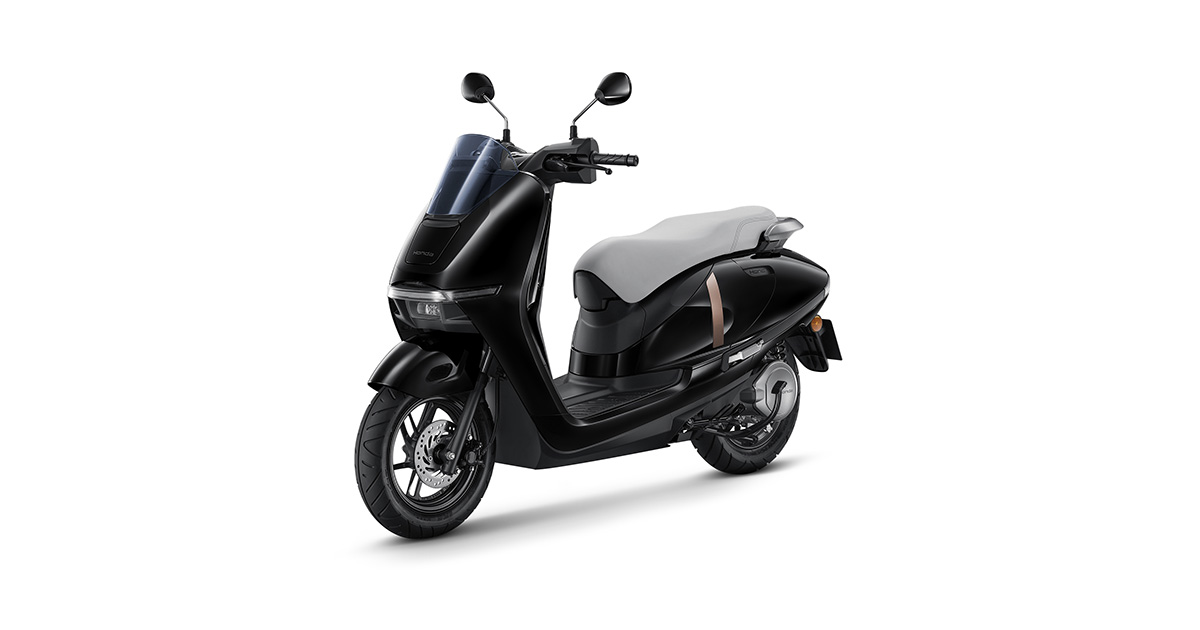
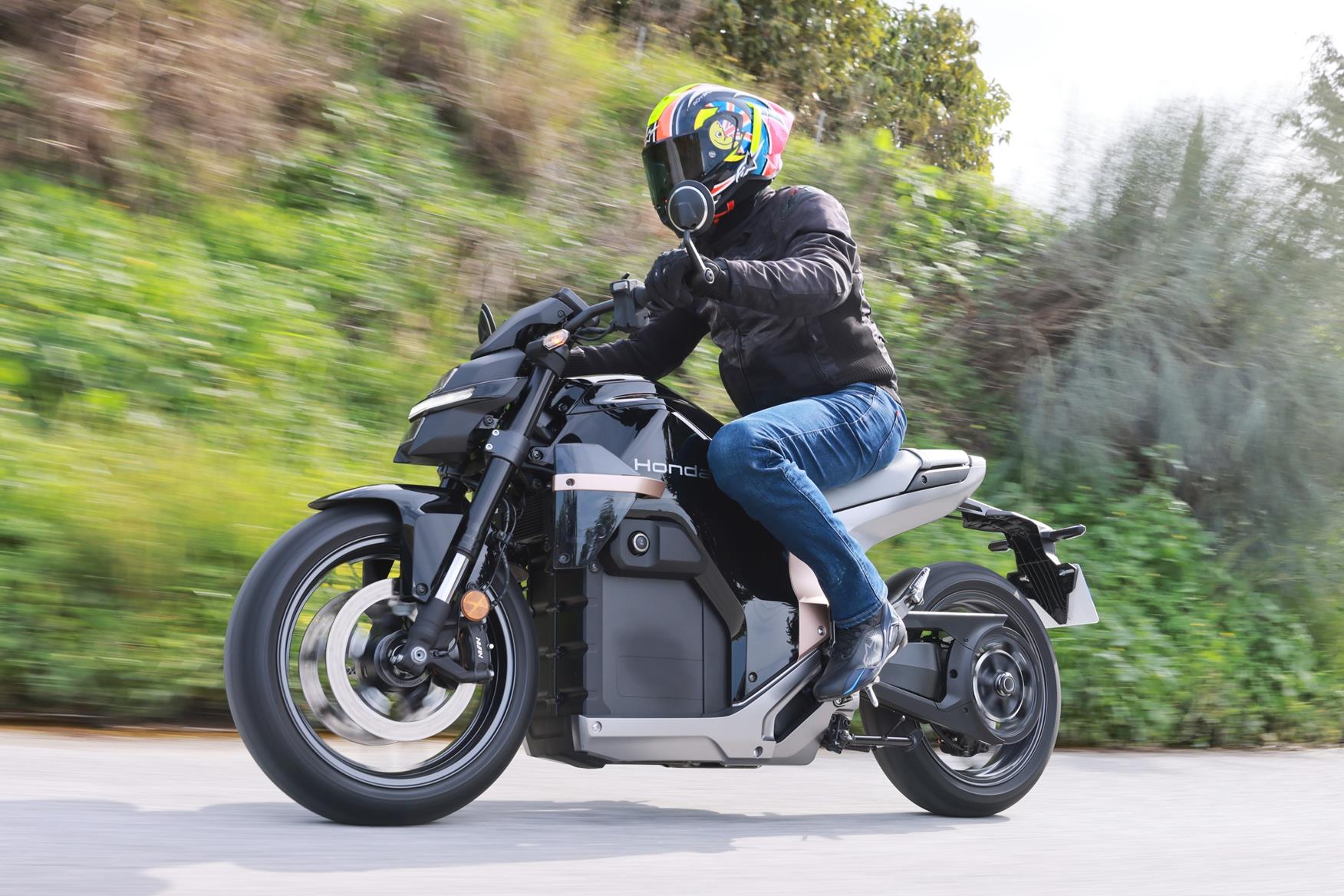
Last time I wrote about the pragmatic case for fixed batteries — using Honda's UC3 as an example, I argued that choosing a battery you charge in place, rather than one you swap, actually makes more sense once you run the numbers. This time I want to talk about the price tag, not the bike. On April 30, 2026, Tokyo Metropolitan Government opened applications for its EV motorcycle purchase subsidy. The cap is ¥480,000 — a figure large enough to rival the price of a moped or small-displacement bike outright. As a program, that's a genuinely aggressive number. But I sense a lot of people are misreading what it means. Precisely because the number is so large, I want to look carefully at exactly what it's being paid for.
What matters isn't the amount itself, but the formula behind it. According to Tokyo's own announcement, the subsidy equals “the price difference versus an equivalent gasoline model, minus the national subsidy,” capped at ¥480,000. Read the formula literally and this isn't a program to make electric bikes cheaper than gasoline ones — it's a program to put them on the same footing. Tokyo's own example makes this clear: a ¥848,000 Class-1 moped — a battery-swap electric trike — comes down to ¥506,000 once national and metropolitan subsidies are combined. That ¥506,000 figure is the price of an equivalent gasoline model. The destination is “the same price,” not “a bargain.” Confuse the two and you'll misjudge what happens the moment this program ends.
The conditions are worth reading carefully too. Eligibility is limited to individuals registered as residents of Tokyo, or corporations and sole proprietors with an office or place of business in the metropolis. The vehicle must be based or garaged in Tokyo, must be within one year of its first registration date as of the application date, and — critically — must have been on METI's CEV subsidy list at the time of first registration. The national list of eligible vehicles covers registrations from April 1, 2026 onward, and Tokyo's own list of eligible models and amounts is current as of July 8, 2026. Flip that around: any model not on the list gets zero from either the national or the metropolitan program. Buying a cheap imported electric scooter on your own and applying afterward simply doesn't work under this scheme. The application deadline is March 31, 2027, with both online and postal submissions due by 5 p.m. that day. There's a separate charging-side program too — the “Electric Motorcycle Charging Environment Promotion Project” — covering the cost of a dedicated charger or battery-sharing service fees, but only for applicants who file it alongside the vehicle subsidy; it isn't designed to stand alone. Laid out like this, what becomes obvious is the plain fact that this is designed as the policy of one municipality, Tokyo. It isn't a nationwide program, and there's no guarantee next fiscal year will look the same. I'd argue the program's geographic and time boundaries matter more to a buying decision than the vehicle's spec sheet.
There's another technically interesting condition. If you buy a model with a spare battery using this subsidy, you're required to log at least a minimum distance set by the public corporation within three years of first registration. As a program, that's a reasonable constraint on how public money gets used — but from a battery's point of view, it means something else entirely. Lithium-ion cells degrade over time whether you use them or not, and the worst-case scenario is sitting fully charged in high heat. In other words, “buy it while the subsidy lasts and leave it mostly parked” runs against both the spirit of the program and the physics of the battery. If you have no intention of actually riding, this program simply isn't built for you. Flip it around, though: if your mileage is predictable — commuting, delivery, sales rounds — this condition isn't a constraint at all, just a given. I suspect that's exactly the kind of riding the program's designers had in mind.
My conclusion is this: if you live or run a business in Tokyo, want a model that's on the eligible list, and have a genuine, predictable daily distance to ride — commuting, delivery — then fiscal 2026 is a good time to buy. Once the up-front price gap disappears, the deciding factor shifts to running costs and upkeep, and that's territory where electric tends to win. On the other hand, if you live outside Tokyo, want a model that isn't on the list, or only plan to ride occasionally on weekends, I don't think the subsidy should factor into your decision at all. Speaking in numbers rather than sentiment, what this program actually demonstrates isn't ‘electric got cheaper’ — it's ‘the price gap is being covered by public funds.’ Those are entirely different things. The former would mean the market has matured; the latter only holds as long as the budget does. That distinction will matter when we see what happens to the amount in future fiscal years. As a buyer, it's healthy to separate two questions for yourself: are you deciding on the assumption the subsidy exists, or do you have a use case that works even without it? One more thing worth adding: the subsidy is a one-time payment at purchase, but battery replacement costs arrive a few years down the road. If you're comparing total cost, build that into your own spreadsheet. I always do.
Sources and references
Public information cited or consulted while preparing this original feature.