First Motorcycle, Vol. 1: The First Thing I Got Stuck On Before Even Getting My License
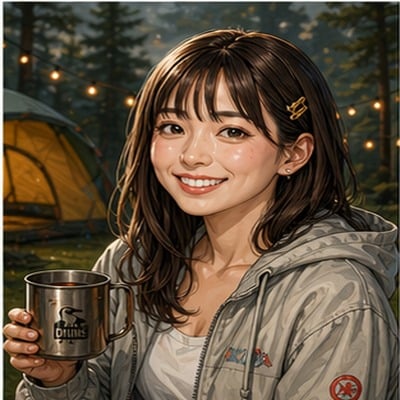
A former idol shares that the first thing that tripped her up on the road to a motorcycle license wasn't the exam itself. Kicking off a new series for beginners, it speaks to the feeling of "not knowing where to even start."
KEY TAKEAWAYS
- Japan’s motorcycle licences vary by ordinary or large class, manual or automatic, and small-motorcycle restriction, so start from the bike and use case you want.
- Training costs vary by region and existing licences; accessibility, booking availability, and remedial lesson terms matter alongside price.
When I quit being an idol and started riding motorcycles, getting my license was honestly a lot harder than I expected. Since I'd worked in entertainment, I figured I had plenty of stamina — but riding wasn't about that at all. At my very first hands-on lesson, just holding the bike upright made my arms shake. I remember feeling a little unsure, wondering, "Can I really do this?" But that experience is exactly why I understand how beginners feel. I decided to start this series, "First Motorcycle," because I wanted to reach people who feel the same way I did at the start — that sense of "I don't even know where to begin." It's the beginners, more than anyone, who deserve to take that first step properly.
At first, I didn't even know there were multiple types of motorcycle licenses. When I decided to get one and searched online, terms like moped, small motorcycle, standard, and large motorcycle came up, and honestly, I panicked a little. What even is engine displacement? What changes at how many cc? Is a "motorcycle" license different from a "standard motorcycle" license? It looks complicated, but the system is actually pretty simple once it's laid out. I just couldn't make sense of it at first, and I doubt I'm the only one. If you have a friend who knows bikes, you can ask them, but if you don't, it's easy to feel completely lost. So let me lay it out here. The most commonly taken license is the standard motorcycle license (up to 400cc), which you get through a driving school. It costs roughly ¥80,000 to ¥120,000. Training runs 18 sessions (12 for automatic-only), and most people finish in two to three months. If you already hold a standard license, you can add a large-motorcycle license with additional training, and it's also legally possible to start directly with a large-motorcycle license. It looks intimidating, but it's actually a system anyone can work through step by step.
What surprised me at the driving school was how diverse my classmates were. Teenage students, office workers in their 30s, homemakers in their 50s, a grandfather nearly in his 70s — everyone practicing the same course together. Realizing I wasn't the only beginner made things feel a little easier. I also struggled at first — putting a foot down mid-corner, having to redo the narrow-plank balance exercise over and over. But every time, the instructor would say, "It's okay, try again." It looks daunting, but that's exactly what a driving school is for — a place that assumes you'll fail, and teaches you anyway.
What actually gave me the most trouble wasn't the course exercises at the driving school. You get used to the narrow-plank and slalom with practice. What tripped me up was there being too much information out there on "what gear to buy" to actually choose anything, not having anyone experienced around me to ask questions to, and feeling too embarrassed to ask the driving school staff questions that felt "too beginner." This is exactly the kind of real talk I want beginners to hear. Nobody knows anything at the start. I didn't, and I bet even the people considered veterans now didn't either. There's nothing to be embarrassed about, but that feeling looms large when you don't know yet.
In "First Motorcycle," I plan to tackle these kinds of specific, concrete struggles every time — not just how to get a license, but how to choose your first bike, insurance basics, what gear to prioritize, even how to use a gas station for the first time. I'll write about all of it. Motorcycles are a genuinely fun way to get around. It looks intimidating, but if you take it step by step, anyone can learn to ride. That's exactly how I learned, one piece at a time. It's beginners, more than anyone, who deserve to discover that joy — and that's why I'm writing this.
I'll also go into detail in future installments about buying your first bike — what kind of bike to choose, how much budget you'll need, whether used or new is the better call — drawing on my own experience along with input from people around me. The real journey starts after you buy the bike, so there's plenty to figure out even after you get your license. That was true for me at the start, and honestly, I still get unsure sometimes even now. But these days I've come to think that uncertainty is just part of motorcycle life. It looks intimidating, but taking that one step changes everything. It's beginners, more than anyone, who deserve to discover that joy. I was startled by nearly everything at first too, but now I'm genuinely glad I started riding. I want to keep sharing that feeling through this series. Ever since I took that first step, I honestly can't imagine life without a motorcycle anymore — and I want to share that feeling with even more people going forward. It looks intimidating, but it'll be okay. It's beginners, more than anyone, who I have something to say to.
Sources and references
Public information cited or consulted while preparing this original feature.